The History of Court Reporting
For thousands of years, mankind has had a need to quickly and accurately write down information. Forms of shorthand writing have been used in places like Imperial China and Ancient Rome in order to rapidly transcribe speeches, confessions, and legal proceedings.
Court reporters, secretaries and other professionals in the United States began using a shorthand system by John Robert Gregg, who left England to open shorthand schools in Chicago and Boston.
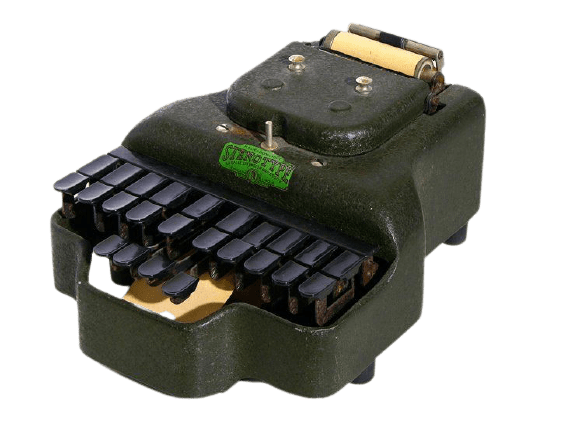
Gregg’s method, published in the US in 1893, only began to decline in use when the first stenotype machine began to rise in popularity, patented by an American court reporter named Miles Bartholomew.
What We Use

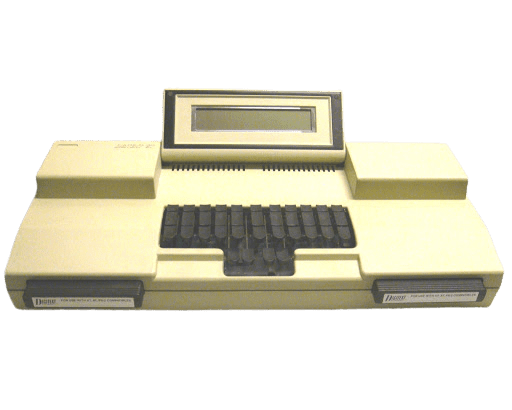
The Stenograph Diamante
With nearly 14,000 users worldwide, the Diamante has a proven track record of being one of the most reliable and efficient writing machines Stenograph has manufactured.
We are able to write faster and with less effort on the Diamante than was ever possible on older steno machines. Speed and accuracy are the name of the game in court reporting and we trust the Diamante to do the job.
The Classics